Huangxian-Tech
Home
Product Showcase
All Categories
Peptides
Pharmaceutical intermediates
Reviews
Store
About us
Contact us
…
Home
Product Showcase
All Categories
Peptides
Pharmaceutical intermediates
Reviews
Store
About us
Contact us
Login
Huangxian-Tech
Home
Product Showcase
All Categories
Peptides
Pharmaceutical intermediates
Reviews
Store
About us
Contact us
…
Home
Product Showcase
All Categories
Peptides
Pharmaceutical intermediates
Reviews
Store
About us
Contact us
Login
All Categories - Huangxian-Tech
All
Peptides
Pharmaceutical intermediates
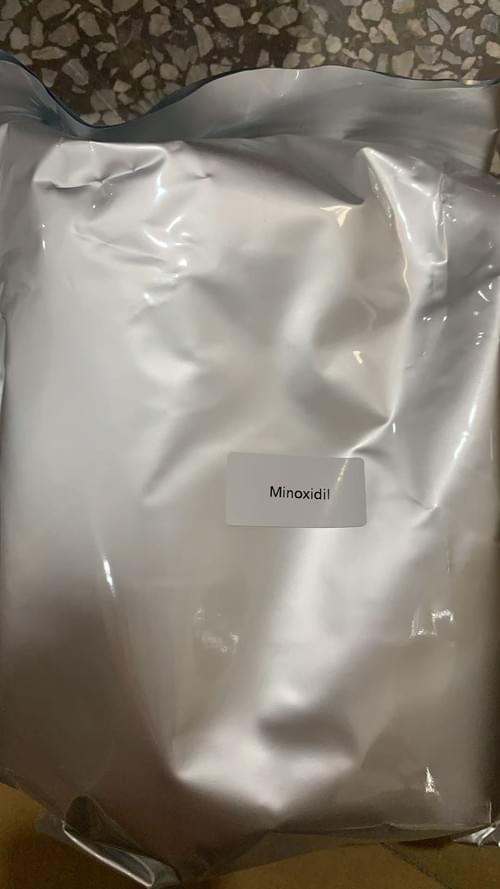
Minoxidil
CAS 38304-91-5 Minoxidil can be used as an antihypertensive drug for refractory, primary, or renal hypertension; it can also be used to prevent oily hair loss and in animal husbandry.
Acetaminophen/Paracetamol
CAS 103-90-2 Acetaminophen is a phenolic organic compound used to treat fever caused by the common cold or influenza, and also to relieve mild to moderate pain such as headache, joint pain, migraine, toothache, muscle pain, neuralgia, and dysmenorrhea. This product is an antipyretic analgesic. It works by inhibiting cyclooxygenase, selectively inhibiting the synthesis of prostaglandins in the hypothalamic thermoregulatory center, leading to peripheral vasodilation and sweating, thus achieving an antipyretic effect. Its antipyretic potency is similar to that of aspirin. It also exerts an analgesic effect by inhibiting the synthesis and release of prostaglandins, raising the pain threshold. It is a peripheral analgesic, but its effect is weaker than aspirin, and it is only effective for mild to moderate pain. This product has no significant anti-inflammatory effect.
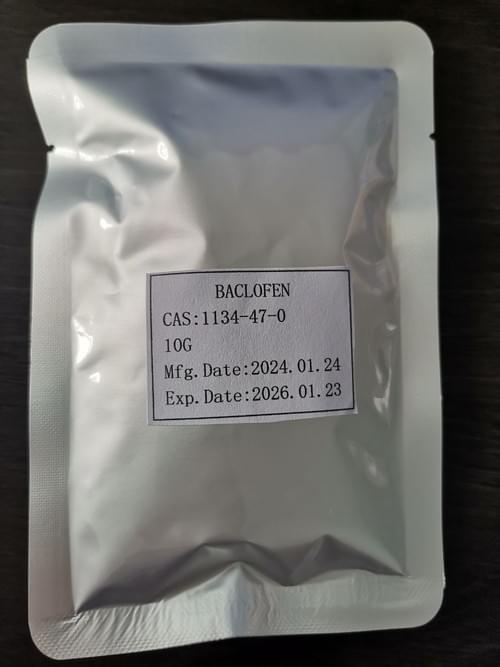
Baclofen
CAS 1134-47-0 This product is an antispasmodic drug. It inhibits monosynaptic and polysynaptic transmission in the spinal cord, and its mechanism lies in activating GABA-receptors, thereby inhibiting the release of excitatory amino acids glutamate and aspartate. Therefore, it can alleviate increased muscle tone in the limbs caused by spinal cord lesions, multiple sclerosis, and spinal cord injury. It is used for muscle spasms caused by spinal cord and brain diseases or injuries.
Melanotan II (MT2) 10mg——For research use only (chemical product)
CAS 121062-08-6 Melanotan II (MT-2) is a synthetic melanocortin receptor agonist, often referred to as a "tanning peptide." It promotes melanin synthesis in the skin by mimicking melanin-producing hormones in the body to achieve a tanning effect, and is also believed to have potential libido-enhancing effects.
NAD+ (Niacinamide Adenine Dinucleotide) – For research use only (chemical product)
CAS 53-84-9 is a crucial coenzyme essential for human cells, responsible for driving energy metabolism and DNA repair. As we age, NAD+ levels decline significantly, which is associated with fatigue, slowed metabolism, and aging. Levels can be increased by supplementing with precursors (such as NMN and NR) or by improving lifestyle habits.
Glutathione (GSH) – For research use only (chemical product)
CAS 70-18-8 It is a natural tripeptide composed of glutamic acid, cysteine, and glycine. As an extremely important antioxidant in the human body, it can effectively eliminate free radicals, promote metabolism, and is widely used in whitening and fading spots, anti-aging care, and sleep aid.
Levamisole HCI
CAS 16595-80-5 This product is an anthelmintic. Levamisole is approximately twice as active as its racemic counterpart, with lower toxicity and side effects. Levamisole paralyzes the muscles of roundworms, causing them to be expelled in the feces. It is primarily used to treat roundworms and hookworms. Besides its common use as an anthelmintic, levamisole hydrochloride also has immunomodulatory effects, effectively improving the patient's immune function.
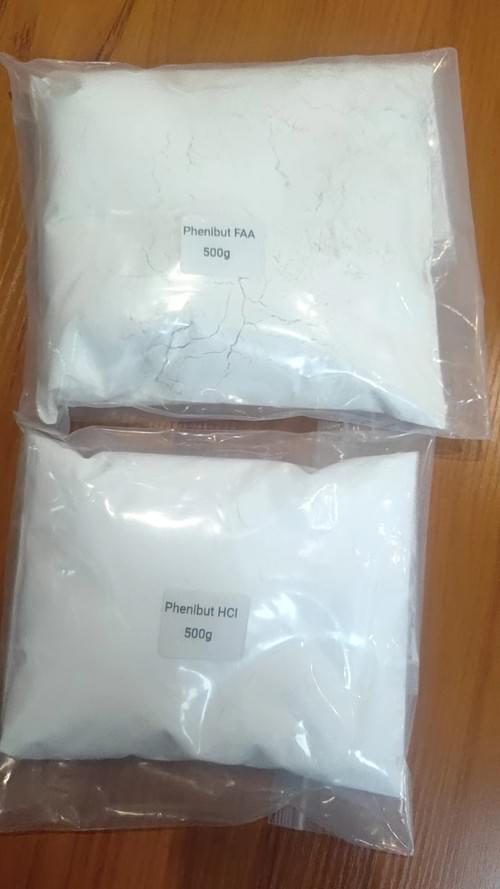
Phenibut HCI
CAS 3060-41-1 It is a central nervous system depressant with anti-anxiety effects, used to treat anxiety disorders, insomnia, and a variety of other diseases.
Procaine HCI
CAS 51-05-8 Procaine hydrochloride is a local anesthetic that temporarily blocks nerve fiber conduction to achieve an anesthetic effect. It has a strong effect, low toxicity, and no addictive properties. However, it has weak penetration into the skin and mucous membranes and is not suitable for surface anesthesia. Clinically, it is mainly used for infiltration, spinal, and conduction anesthesia.
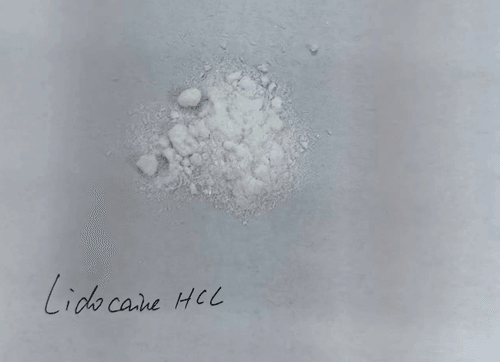
Lidocaine HCI
CAS 6108-05-0 Lidocaine hydrochloride is a medium-acting amide-type local anesthetic. It is used as a local anesthetic and an antiarrhythmic drug.
Tetracaine HCI
CAS 136-47-0 Tetracaine hydrochloride is a long-acting ester-based local anesthetic. Its characteristics include strong penetration into mucous membranes, making it suitable for surface anesthesia and commonly used in ophthalmology.
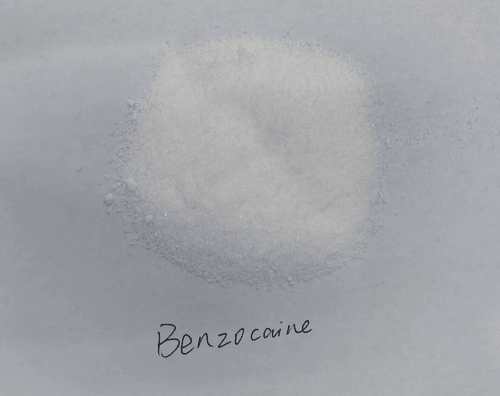
Benzocaine Base
CAS 94-09-7 Used as a local anesthetic. It has a long-lasting effect and low toxicity. Primarily used to relieve itching in skin diseases, and to alleviate pain from wounds, hemorrhoids, and ulcers.
1,4-Butanediol(14BDO)
CAS 110-63-4 Spot inventory in Los Angeles/New York warehouses (USA) Spot inventory in Sydney warehouses (Australia) Spot inventory in Toronto warehouses (Canada)
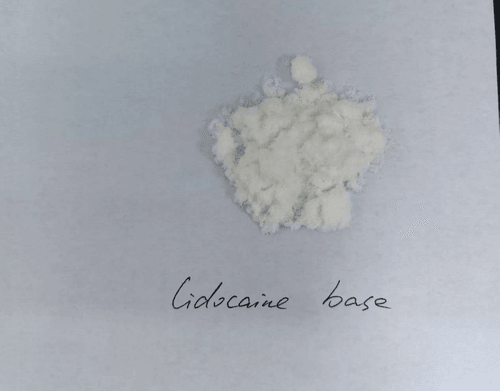
Lidocaine Base
CAS 137-58-6 Lidocaine is an amide-type local anesthetic widely used in surface anesthesia, infiltration anesthesia, conduction anesthesia, and epidural anesthesia.
Procaine Base
CAS 59-46-1 Pharmacological Action: This product is an ester-based local anesthetic that temporarily blocks nerve fiber conduction, thus producing an anesthetic effect. It has weak penetration into skin and mucous membranes and is not suitable for surface anesthesia.
Tetracaine Base
CAS 94-24-6 Tetracaine is a long-acting ester-based local anesthetic. Its local anesthetic potency is 10 times that of procaine, and its effect can last for 2-3 hours. It has strong penetrating power and is mainly used for surface anesthesia of the eyes, nose, throat, and urinary tract.
Huangxian-Tech
Pharmaceutical intermediates and peptides
Product Showcase
Check out all the products in our store!
All
Peptides
Pharmaceutical intermediates
Powered By
Home
Store
Email
Phone
Cookie Use
We use cookies to ensure a smooth browsing experience. By continuing we assume you accept the use of cookies.
Accept
Learn More